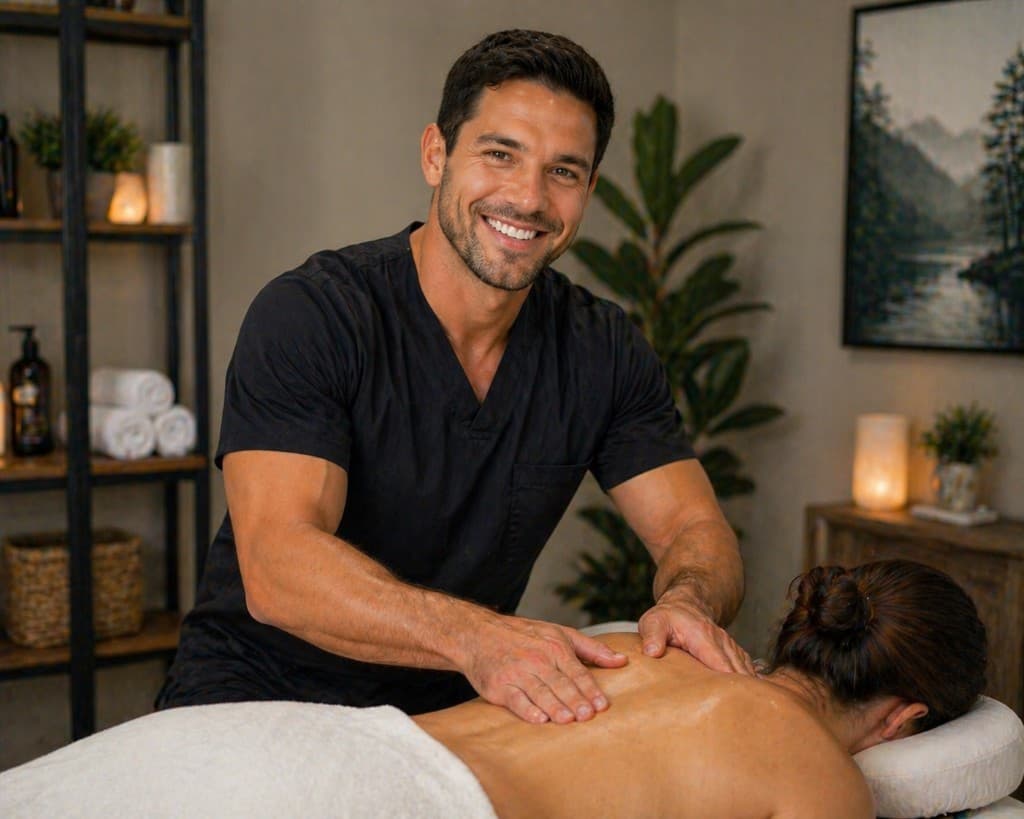
Post-Event Recovery Massage in Sedona, Arizona
Clear delayed-onset soreness and repair overworked muscles after Sedona's trail races, endurance rides, and long hiking days with focused post-event recovery massage.
- DOMS reduction focus
- Flexible post-race booking
- Sedona athlete experience

What Is Post-Event Recovery Massage?
Post-event recovery massage uses slow effleurage, lymphatic flushing strokes, and passive joint mobilization to clear lactic acid, reduce swelling, and restore resting length to muscles shortened by prolonged exertion.
Why Choose Restore Massage Therapy for Post-Event Recovery Massage
Why Choose Us
Restore Massage Therapy works with Sedona's endurance community and understands the specific demands of red rock terrain - uneven footing that loads stabilizers differently than flat surfaces, and elevation that increases cardiovascular strain during every climb.
Common Post-Event Recovery Massage Scenarios
Post-Marathon Recovery
Sedona Marathon finishers arrive with heavily fatigued quads, IT band tightness, and plantar soreness that flushing massage addresses within the first 24 to 48 hours.
After Long Day Hike
Multi-hour hikes like Boynton Canyon or the Brins Mesa loop overload hip abductors and calves on descent, creating soreness that peaks at 24 hours post-hike.
Endurance Cycling Fatigue
Cyclists completing long rides on Sedona's rolling roads carry tension through the lumbar spine, piriformis, and hip flexors that responds well to post-ride flushing work.
Our Post-Event Recovery Massage Process
Post-Activity Intake
We document your event distance, terrain, and any acute soreness locations so the session prioritizes the regions under greatest stress from your specific activity.
Flushing Strokes
Long, slow effleurage strokes applied centripetally push metabolic byproducts toward lymphatic drainage points, reducing the chemical irritation driving delayed soreness.
Compression and Kneading
Petrissage and sustained compression release hypertonic muscle fibers, particularly in quadriceps, calves, and hip flexors that bear the brunt of Sedona trail descents.
Passive Stretching and Close
Gentle passive stretches restore resting length to shortened muscles, and you leave with specific self-care recommendations for the 24 hours following your session.
Post-Event Recovery Massage - Frequently Asked Questions
Between 24 and 72 hours after your event is the most effective window. Waiting 24 hours allows initial inflammation to settle. Sessions within this range show the strongest reduction in delayed-onset muscle soreness and restoration of range of motion.
Not immediately. The first 24 hours call for light flushing work rather than deep pressure. Deep tissue techniques are more appropriate at the 48 to 72 hour mark when acute inflammation has subsided and tissue can tolerate stronger work.
Yes, indirectly. By restoring muscle length and clearing adhesions that form during recovery, regular post-event massage reduces the cumulative tightness that pulls joints out of alignment and creates overuse injury patterns over a training season.
60 minutes covers the primary muscle groups for most Sedona trail activities. Athletes who completed very long events or multi-day efforts may benefit from a 90 minute session to adequately address the full body load of sustained exertion.
SERVICE AREAS
Post-Event Recovery Massage Near You
Restore Massage Therapy provides post-event recovery massage throughout Sedona and surrounding communities.
Related Sports & Performance Massage Services